Current projects in our research group are in the areas of organic synthesis, nucleic acid chemistry, chemical biology, and medicinal chemistry, as well new analytical methods.
Biological systems rely on complex molecules whose functions are governed by subtle differences in chemical structure. Although modern biology has produced remarkable insights into DNA, RNA, and proteins, many fundamental questions remain unanswered because the necessary molecules cannot be synthesized or manipulated with sufficient precision. Our research seeks to overcome these limitations by inventing new chemical technologies that expand the experimental capabilities of nucleic acid science.
A major focus of our research is the development of synthetic methods that greatly extend the capabilities of automated nucleic acid synthesis. Conventional chemical synthesis is generally limited to relatively short oligonucleotides, restricting the complexity of molecules that can be prepared with complete chemical control. We have developed new synthetic methodologies that enable the direct chemical synthesis of ultra-long oligonucleotides, such as a 1,728-nt DNA polymerase gene, directly on an automated synthesizer without biological assembly (Chemical Science 2025, 16, 1966). Our current efforts are directed toward extending these approaches toward the synthesis of ultra-long RNAs and increasingly complex nucleic acids containing precisely positioned epigenetic modifications.
Another central theme is the synthesis of chemically sensitive RNAs that have remained inaccessible using conventional methodologies. Naturally occurring RNA modifications regulate numerous biological processes, including translation, development, and aging, yet many modified RNAs cannot be synthesized because the modifications are incompatible with standard RNA synthesis chemistry. We have developed new synthetic methodologies that provide reliable access to these challenging molecules (Angewandte Chemie International Edition 2025, 64, e202424560). These advances now enable us to carry out systematic investigations into how individual RNA modifications, such as the ac4C modification, influence protein synthesis and cellular function.
Fundamental discoveries in nucleic acid chemistry can also reveal opportunities for therapeutic development. Our investigations of RNA modifications have uncovered novel interactions between modified nucleotides and viral RNA polymerases, suggesting new strategies for antiviral drug discovery (ChemBioChem 2023, 24, e2023000; Research Square 2023, preprint). Therefore, our current research also explores how knowledge of viral epitranscriptomics can be translated into the design of next-generation antiviral therapeutics.
Overall, our research is aimed at developing enabling chemical technologies that transform the field of nucleic acid biology. By expanding the synthetic toolbox available to other scientists and our own team, we seek to accelerate discoveries in biology, facilitate the development of future therapeutics, and broaden the impact of chemistry on the life sciences.
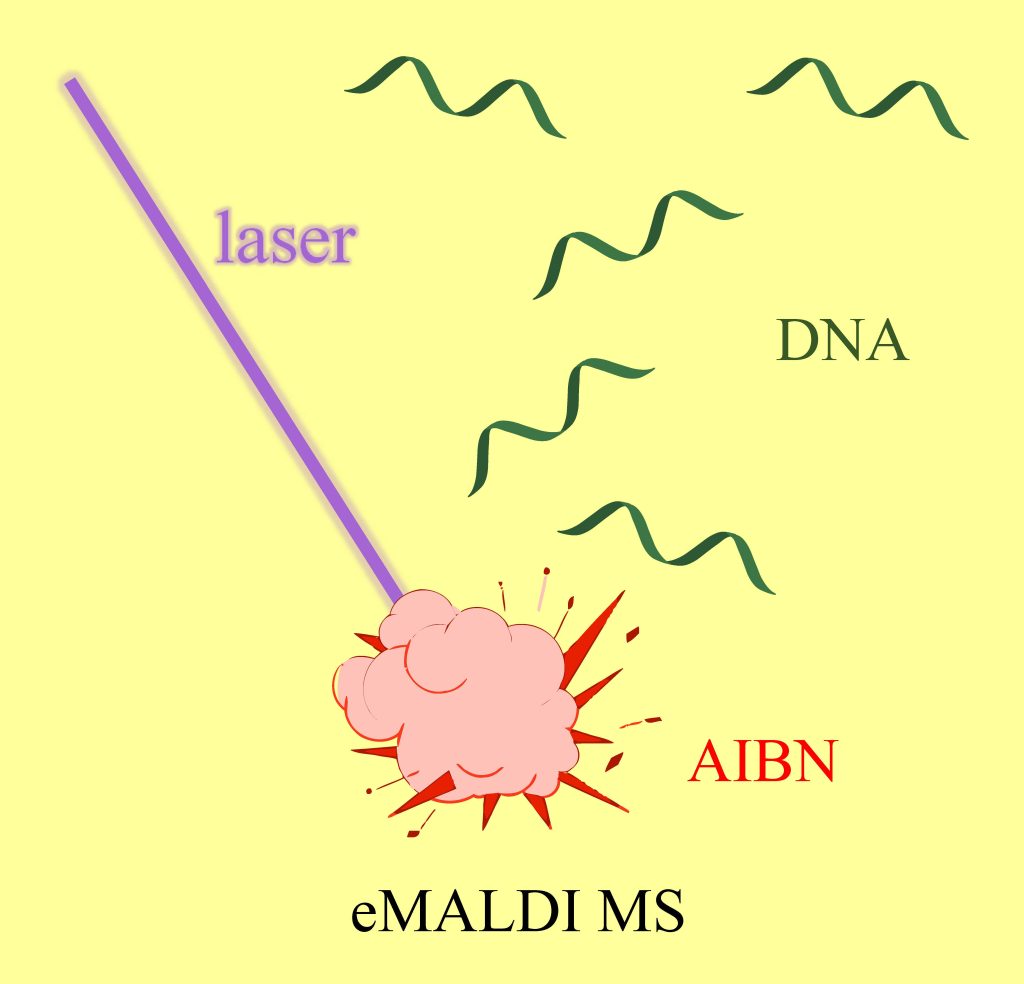
eMALDI MS and Oligonucleotide Analysis. Chemical Science 2026, 17, 11838
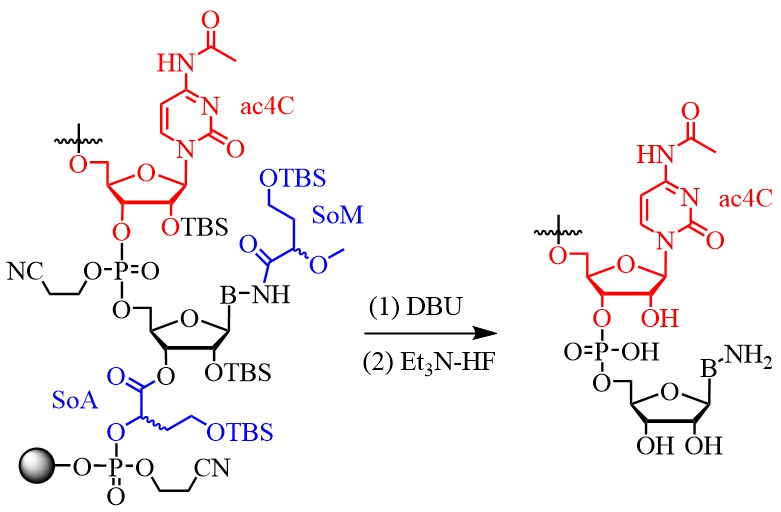
Synthesis of Sensitive RNAs Using Fluoride-Cleavable Groups as Linkers and Amino-Group Protection. Angewandte Chemie International Edition 2025, 64, e202424560
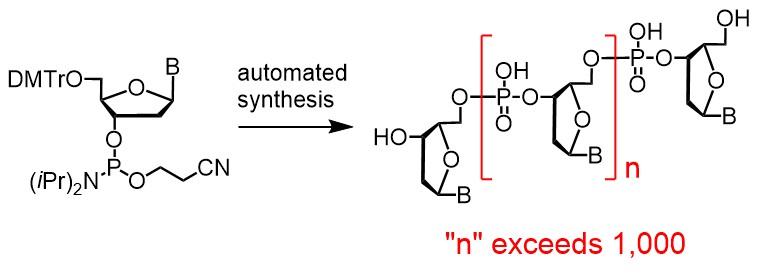
Long Oligos: Direct Chemical Synthesis of Genes with up to 1728 Nucleotides. Chemical Science 2025, 16, 1966
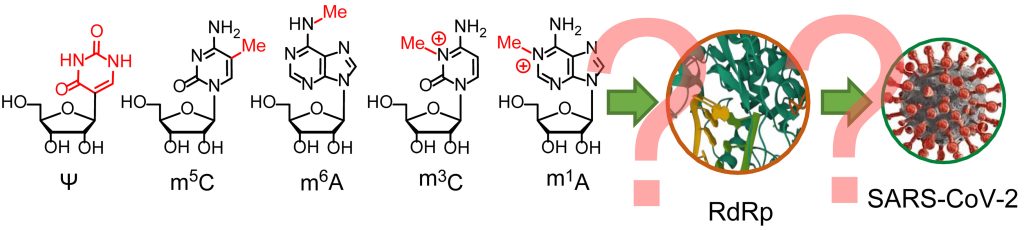
Effects of Epitranscriptomic RNA Modifications on the Catalytic Activity of SARS-CoV-2 Replication Complex. ChemBioChem 2023, 24, e2023000